Dress code · Evening
White tie
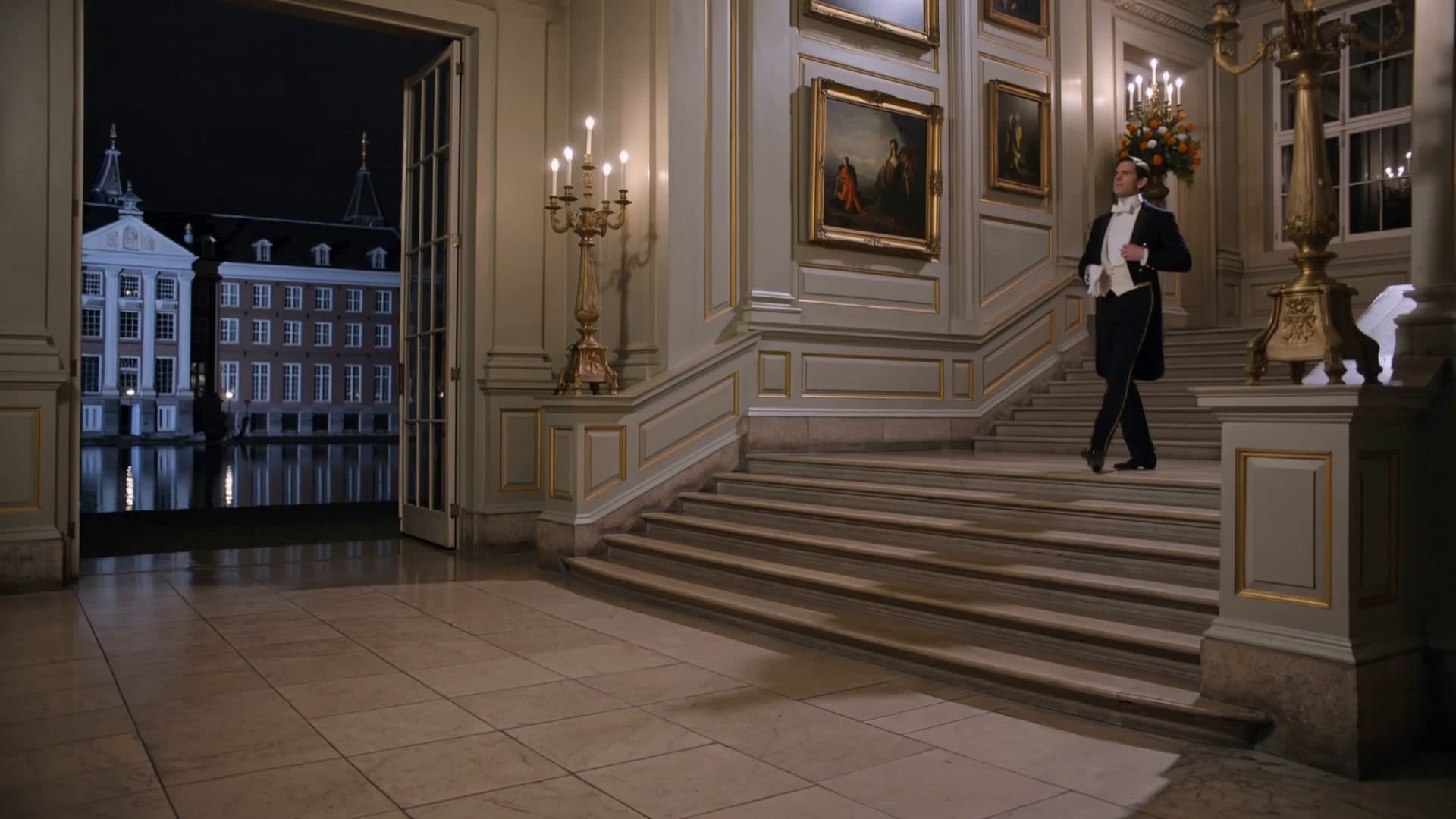
The most formal dress code there is: the tailcoat, prescribed down to the last detail. For galas, state banquets and graduation ceremonies.
At a glance
On the invitation
White tie · Cravate blanche
When
In the evening, after sunset
The suit
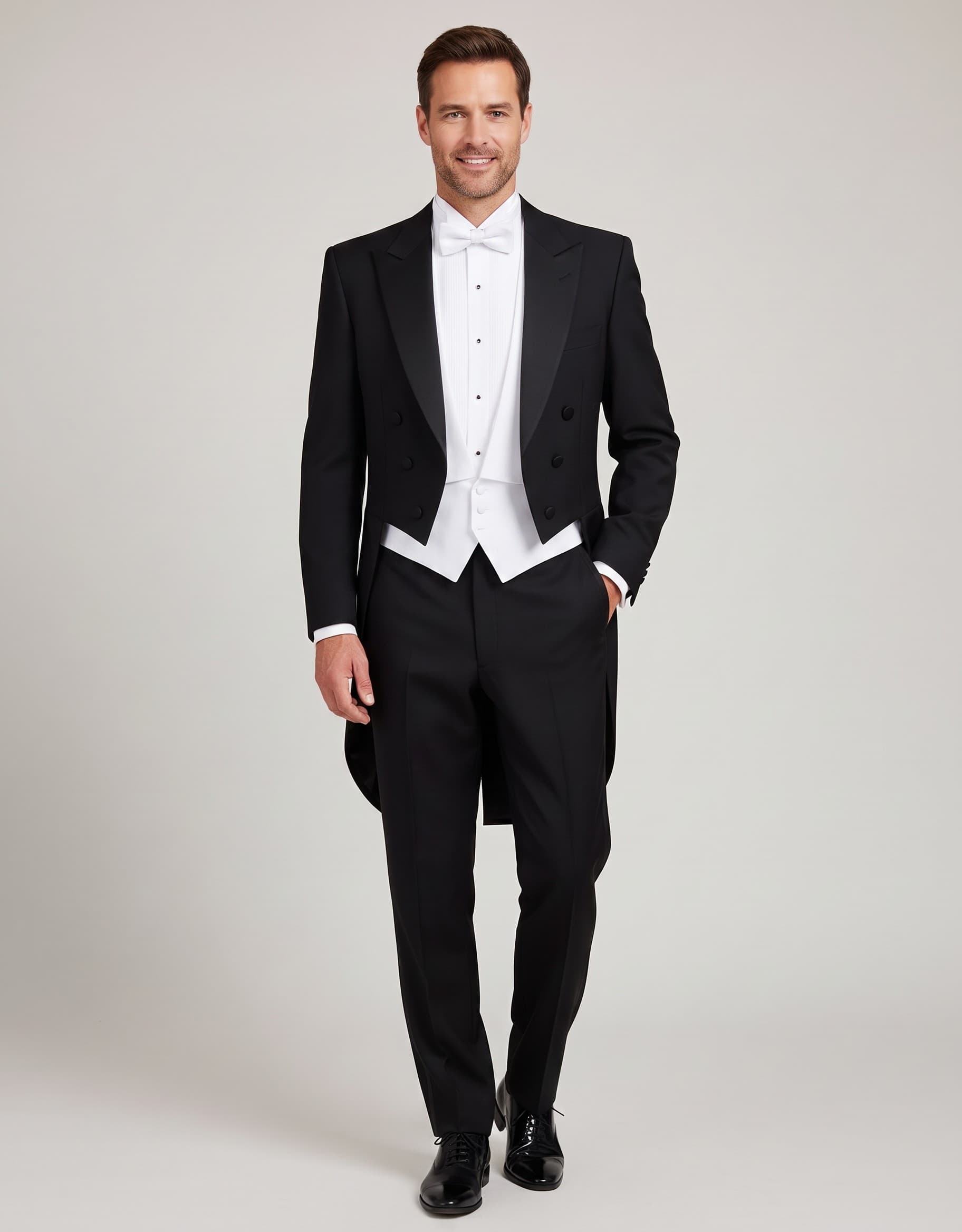
Tailcoat, five-piece
The bow tie
White, ideally self-tied
Shoes
Black patent leather shoes
Never
Watch or belt
Where this dress code sits on the ladder
The outfit, piece by piece
What to wear, why, and where to find it.
- 01
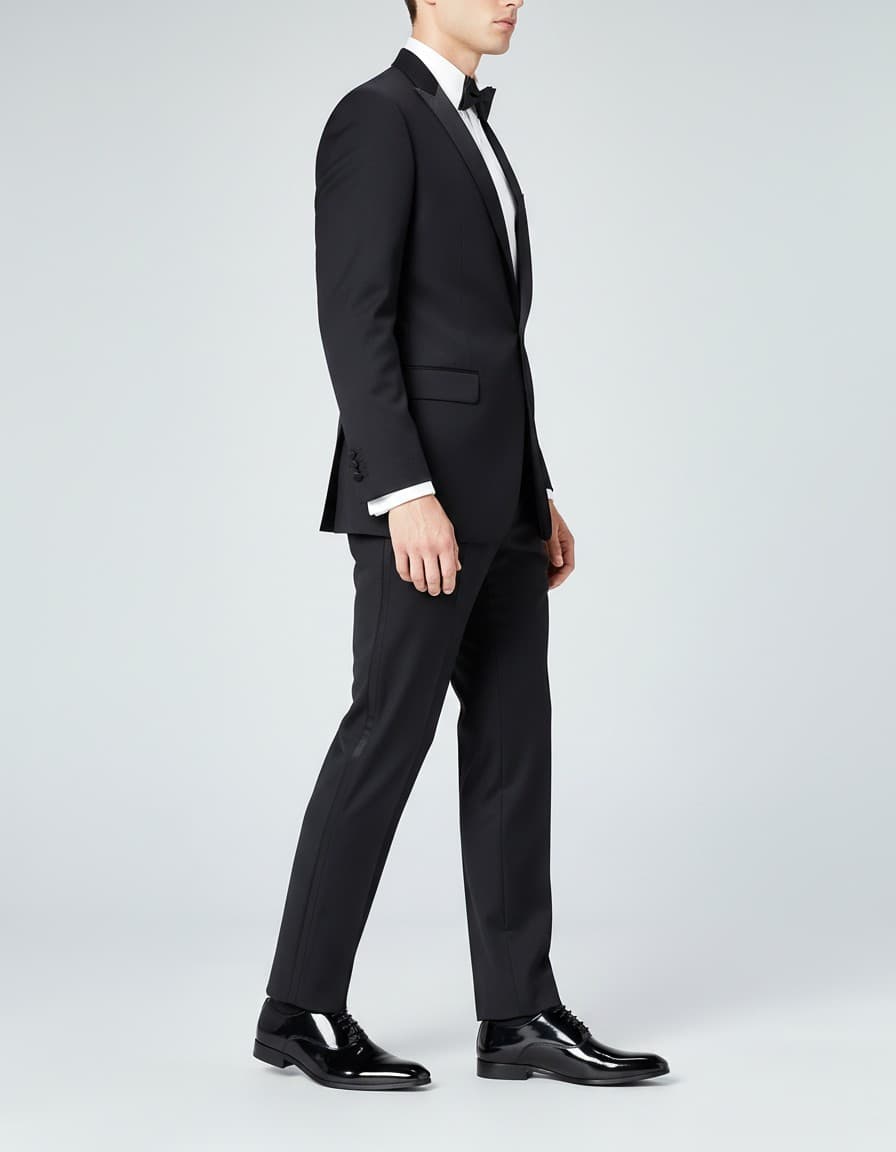
Tailcoat & trousers
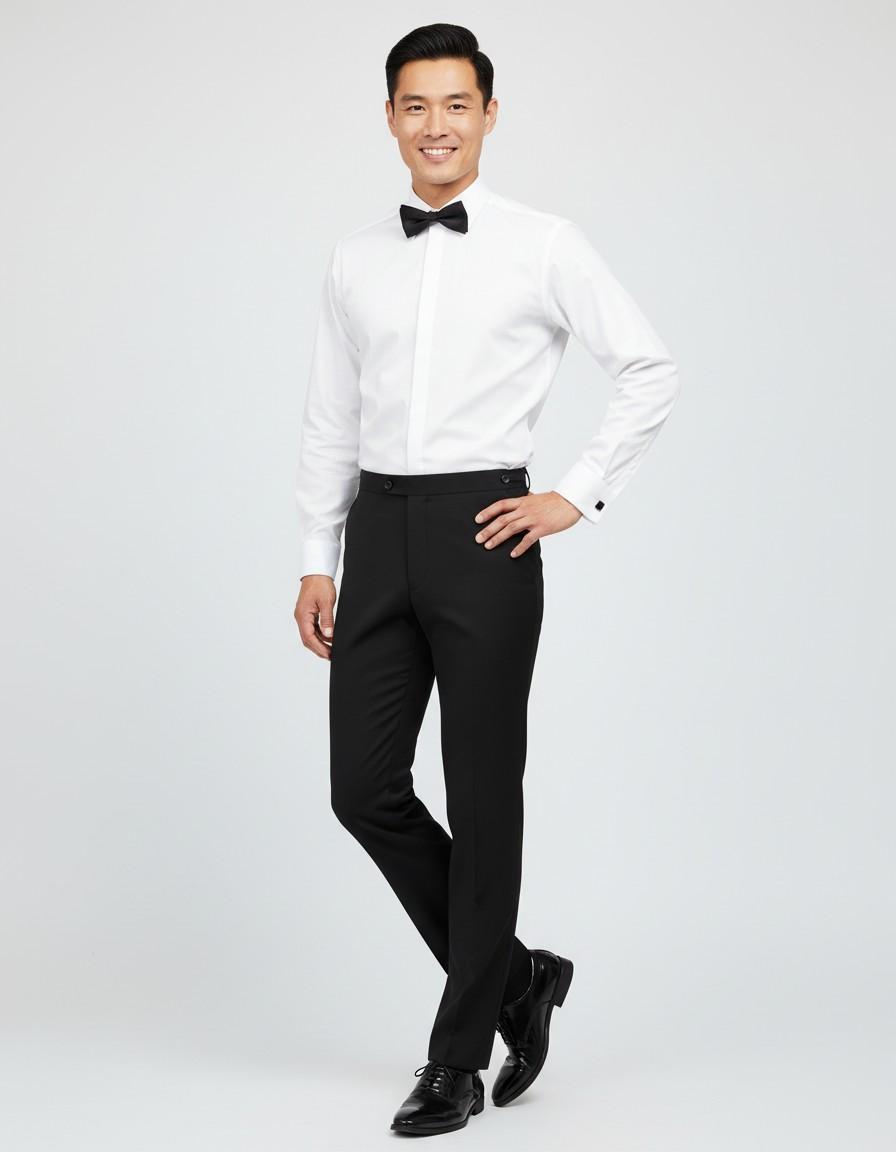
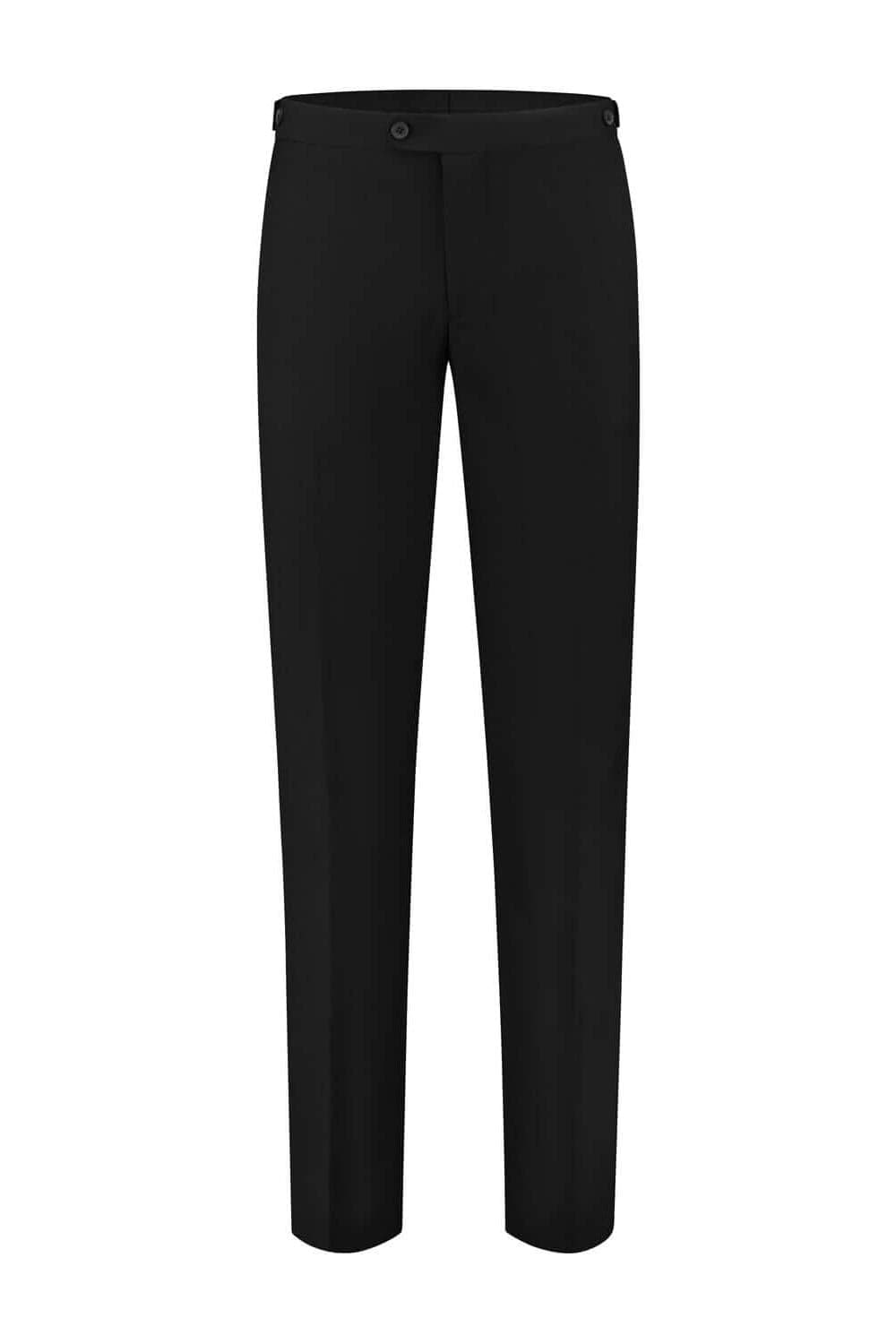
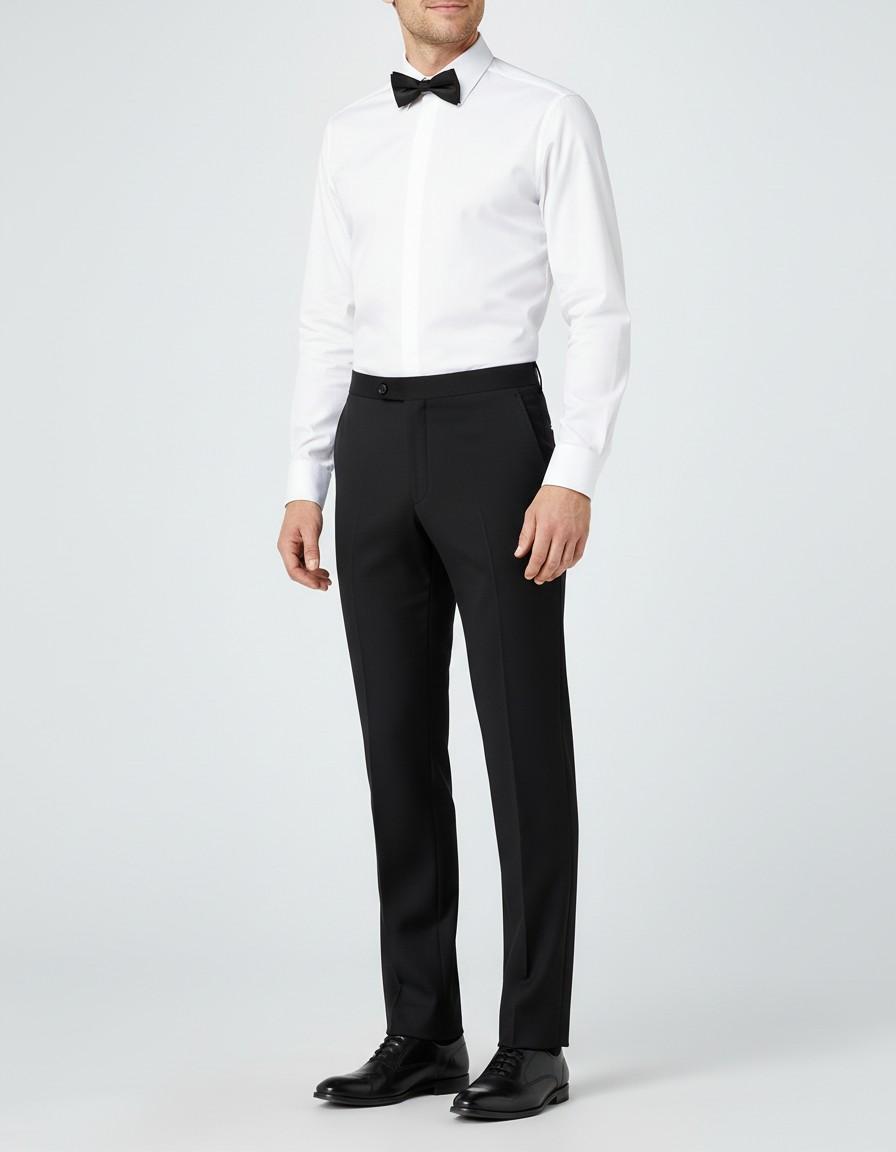
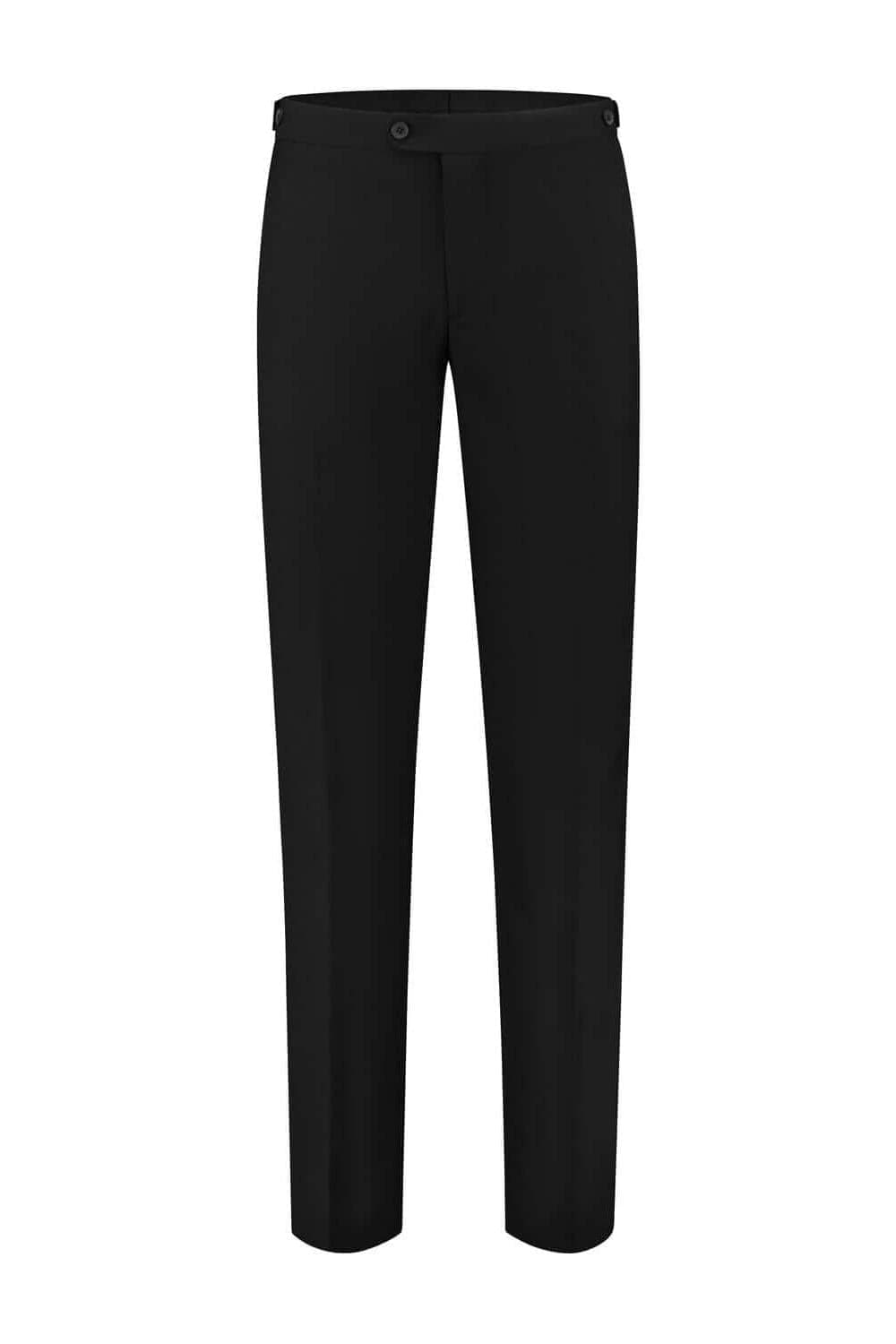
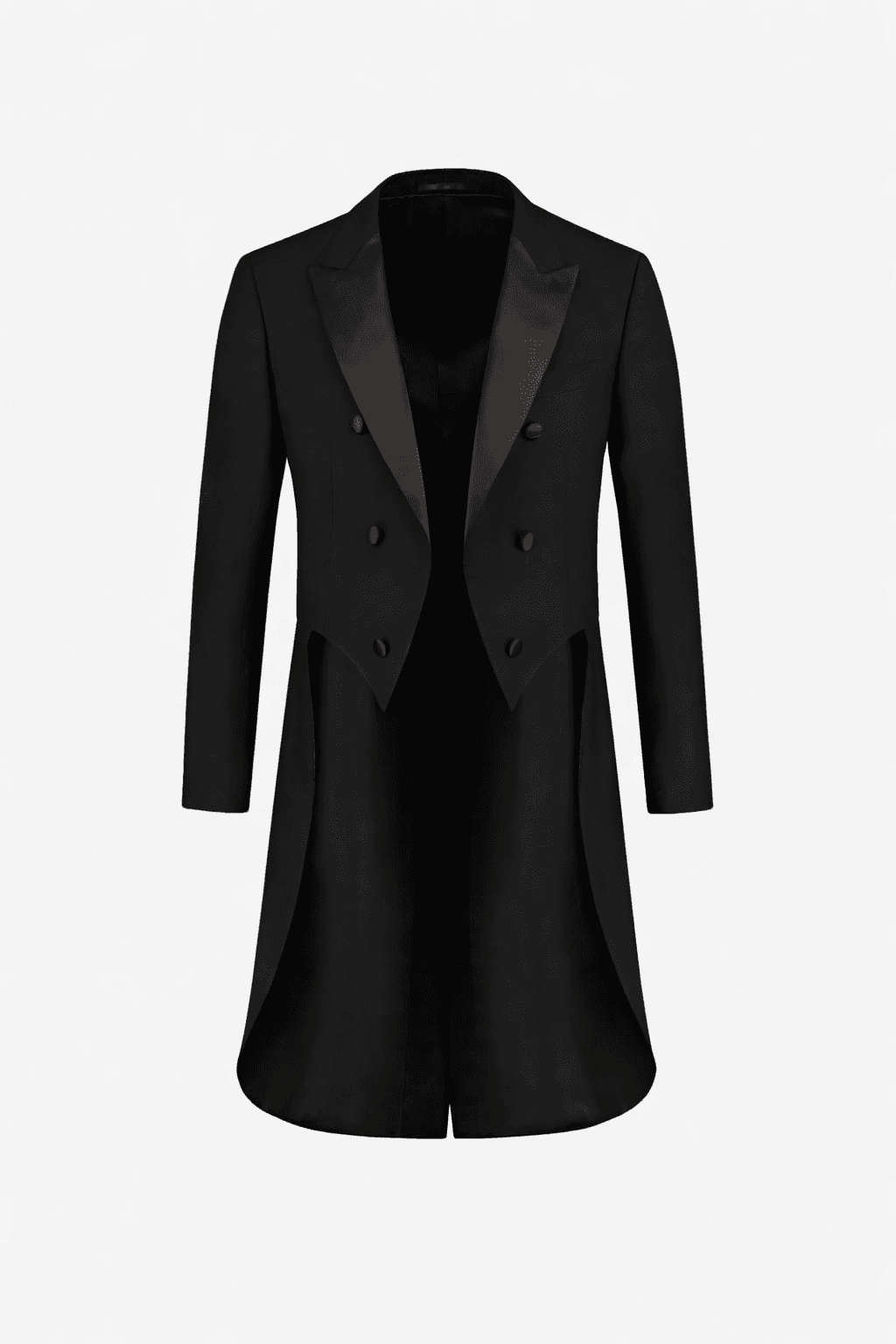
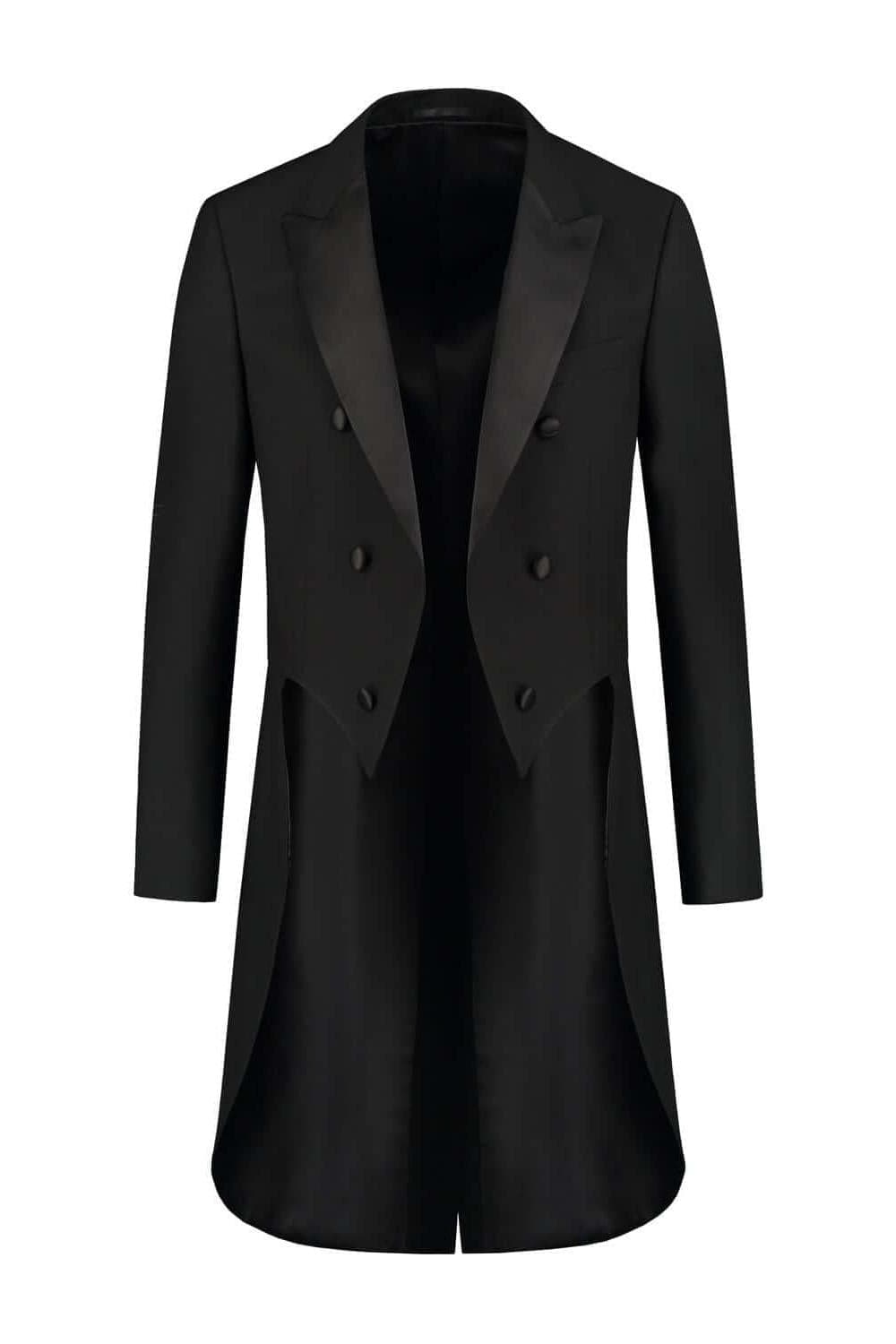
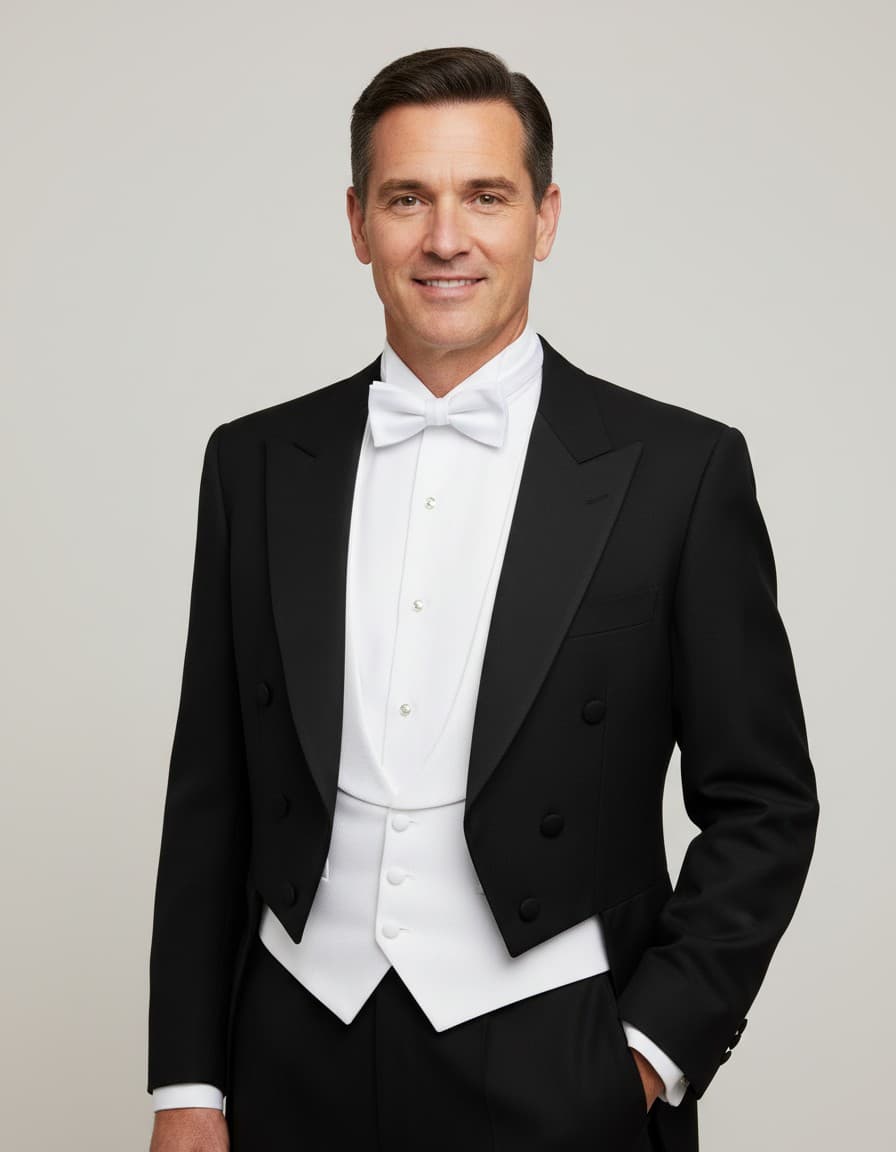
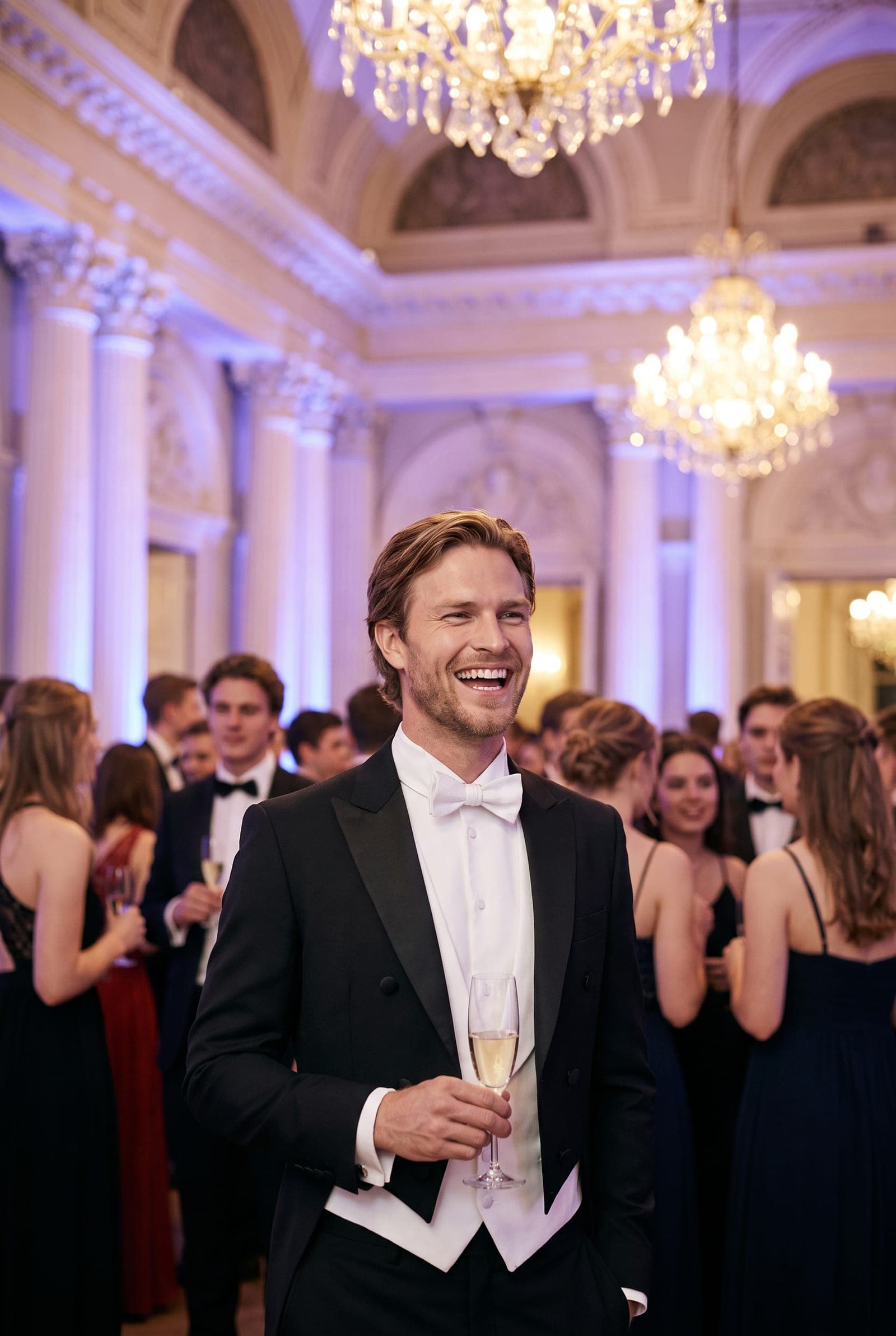
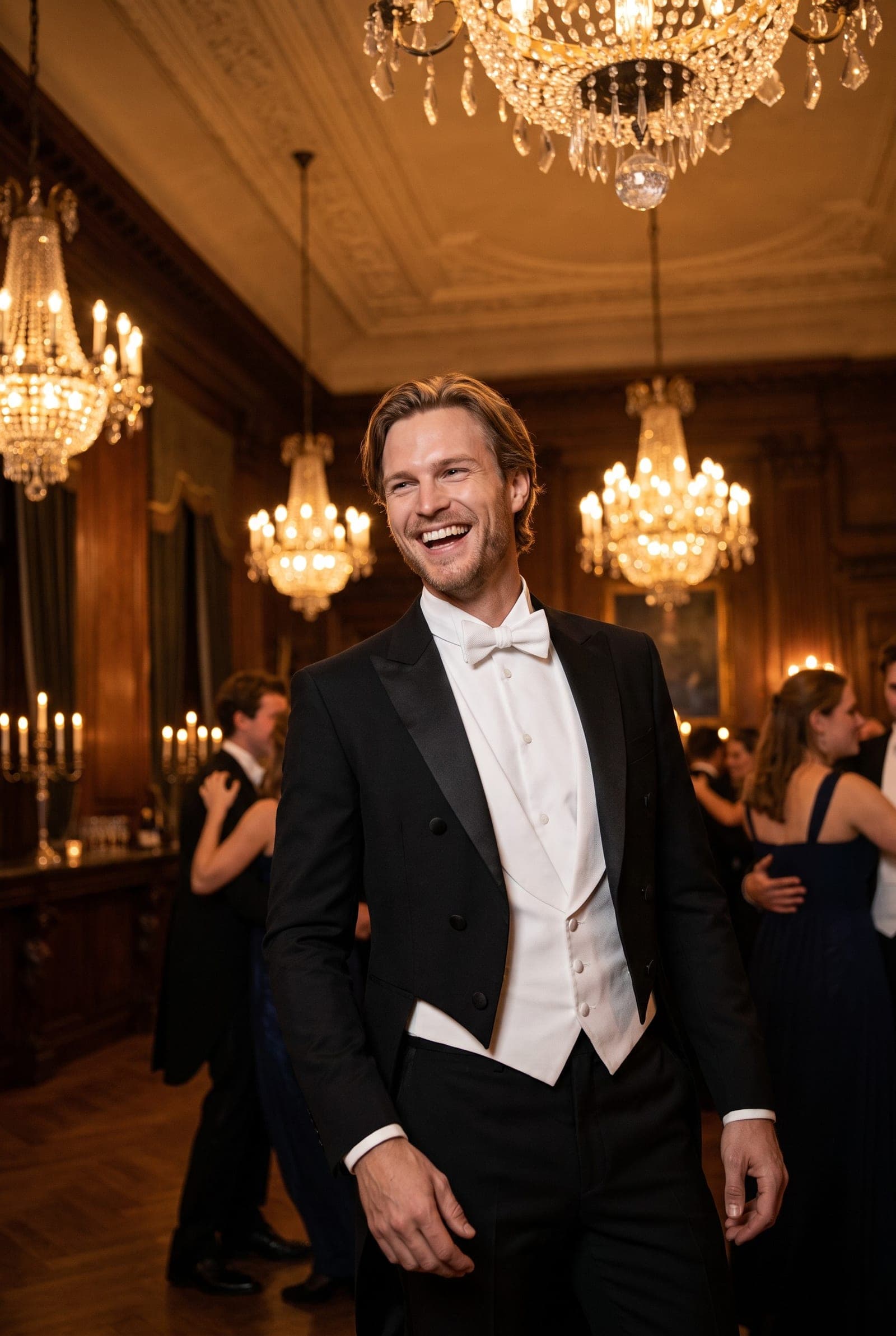
Black, with pointed satin lapels, short fronts and long tails at the back. The six buttons are purely decorative: the tailcoat is always worn open. The trousers are made from the same fabric, with satin braid and side adjusters.
Shop tailcoats - 02
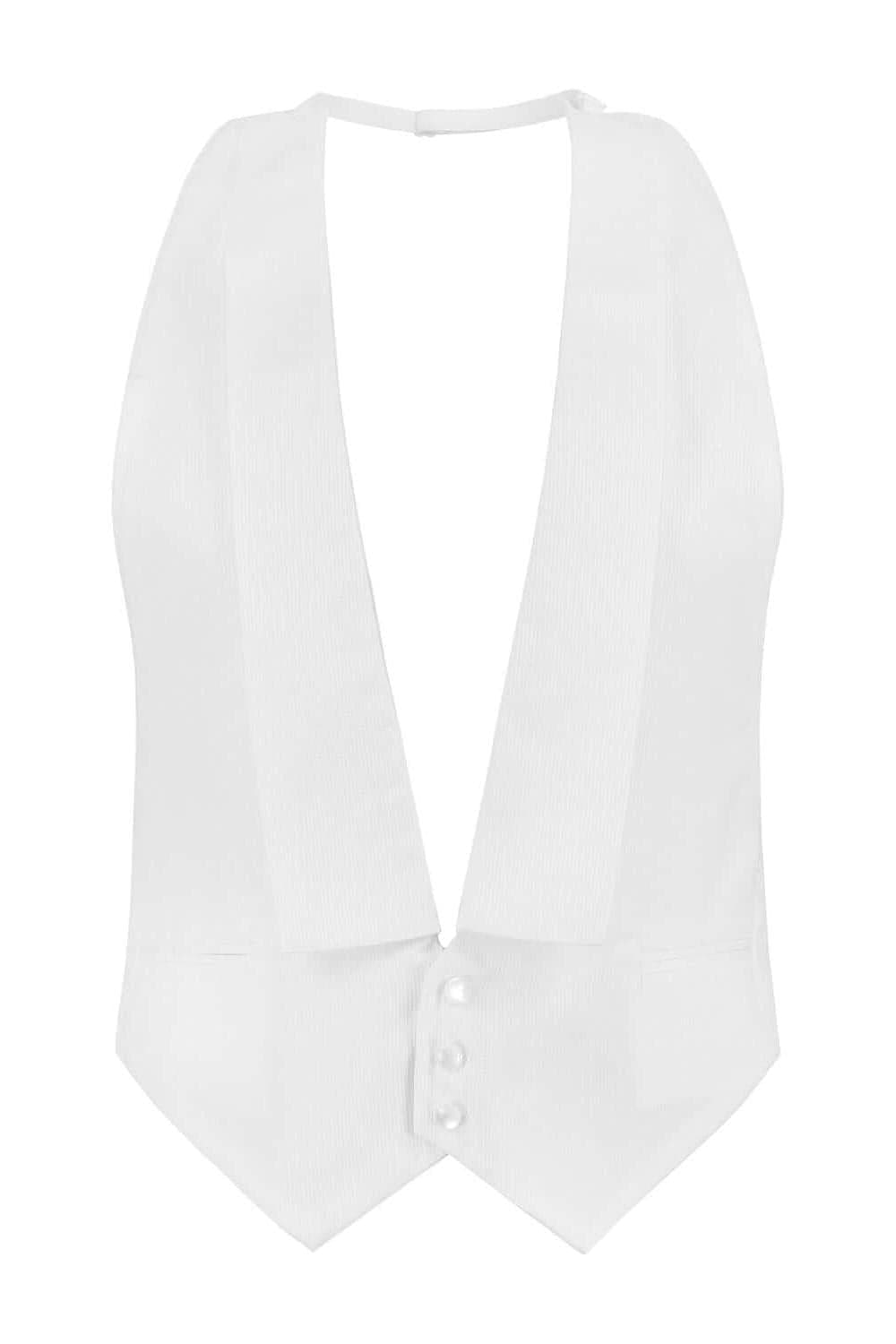
Dress shirt & white tie waistcoat
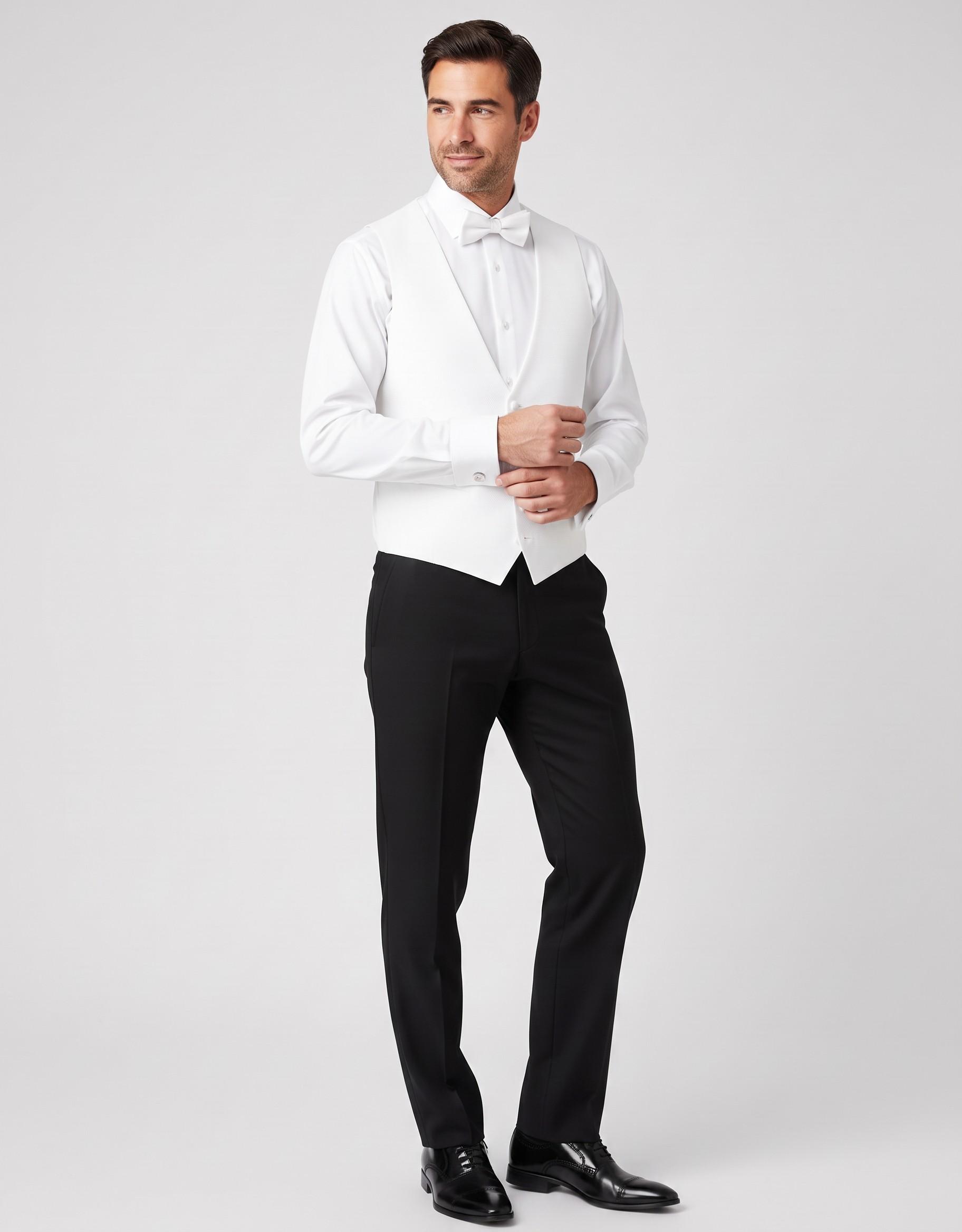
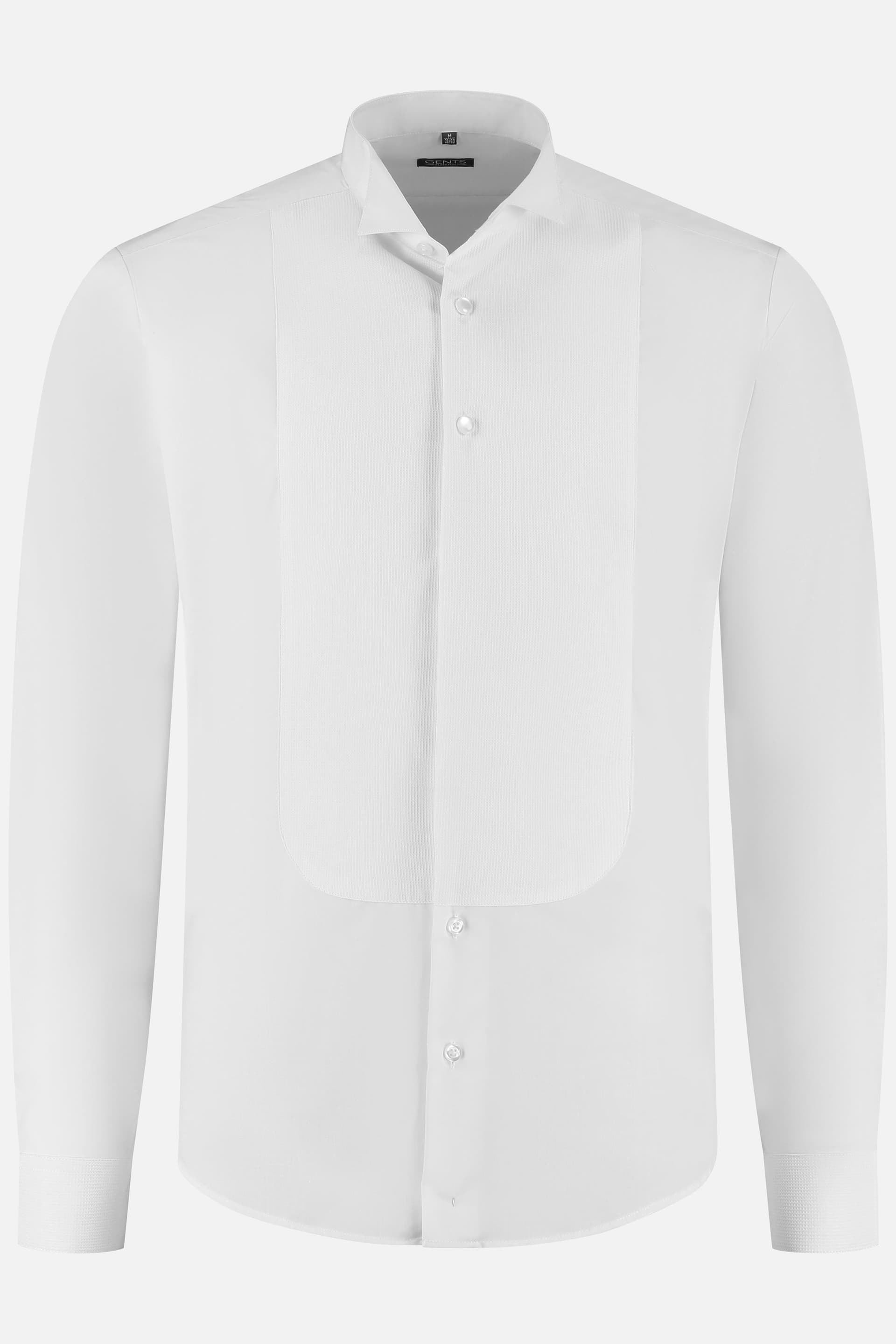
A white dress shirt with wing collar, topped with a low-cut white piqué waistcoat that sits a few centimetres below the jacket. A black waistcoat only where the university requires it.
Shop dress shirts - 03
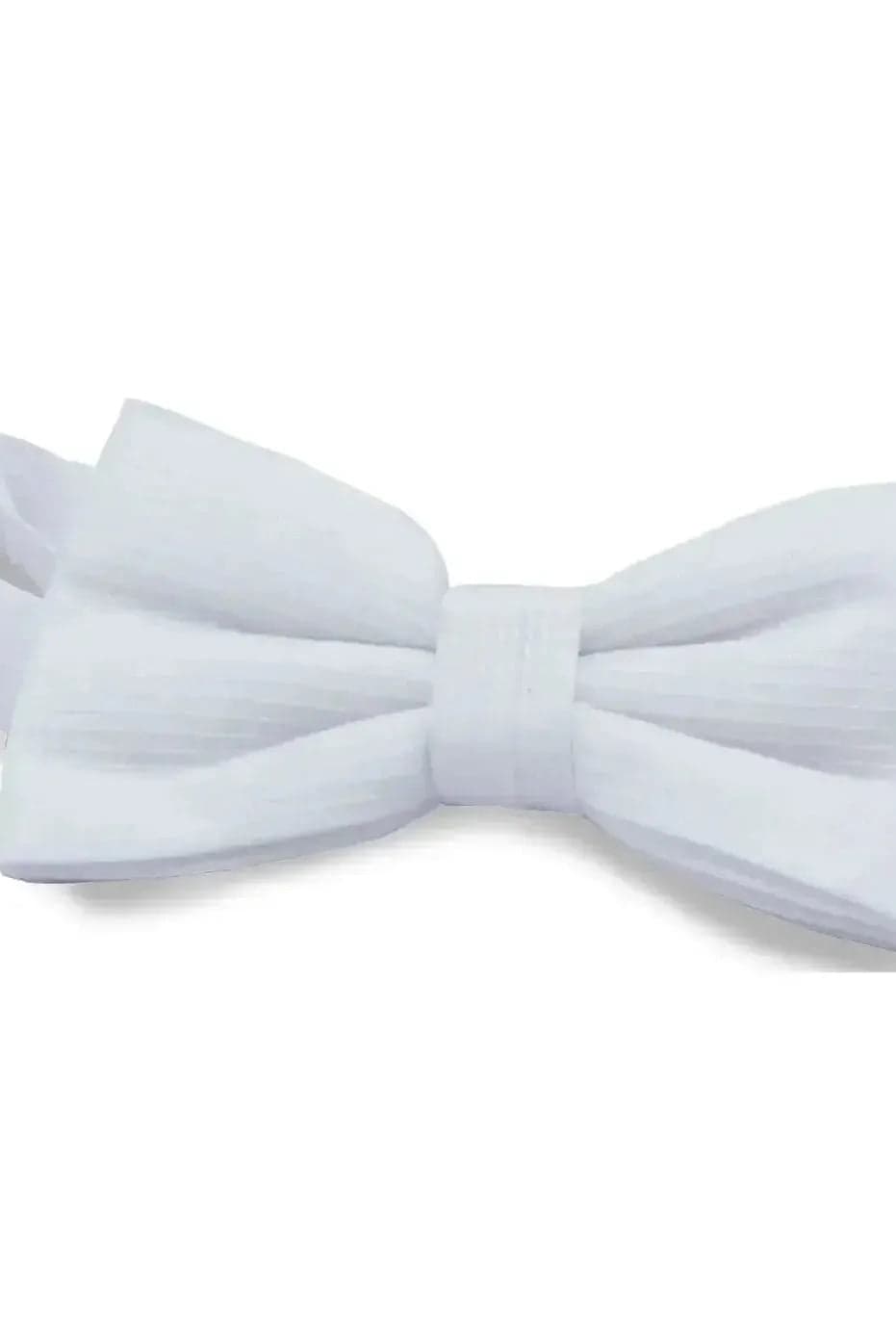
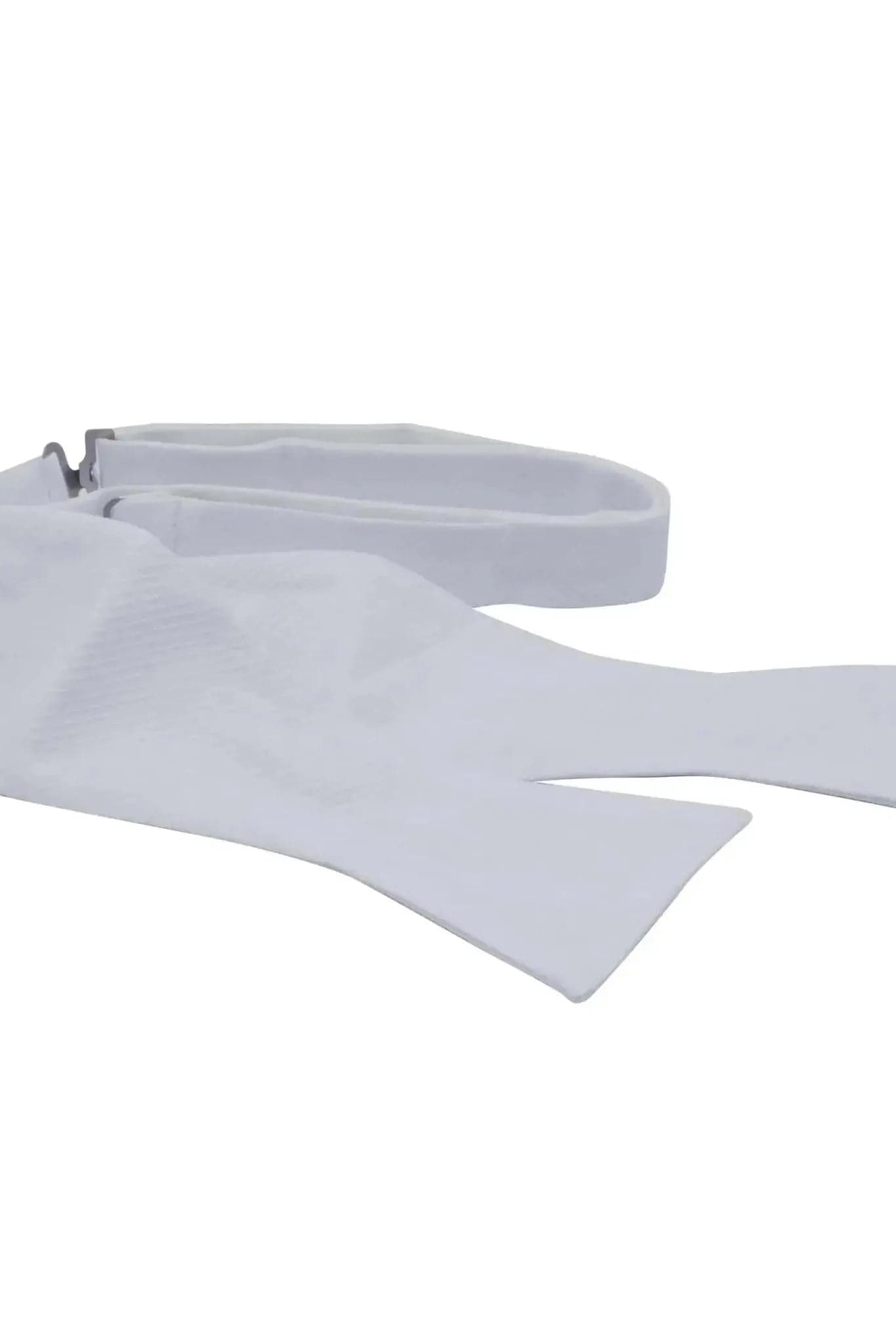
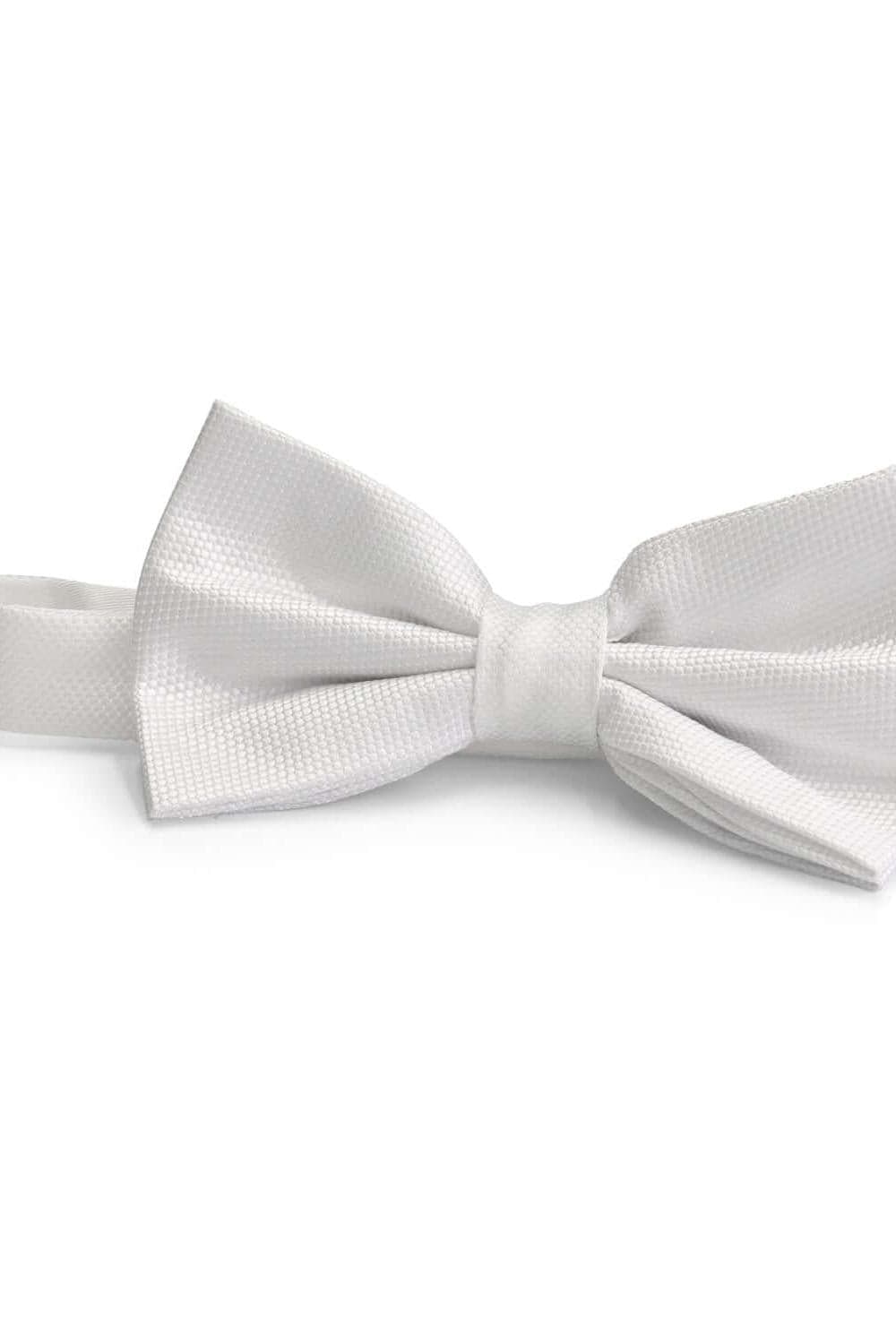
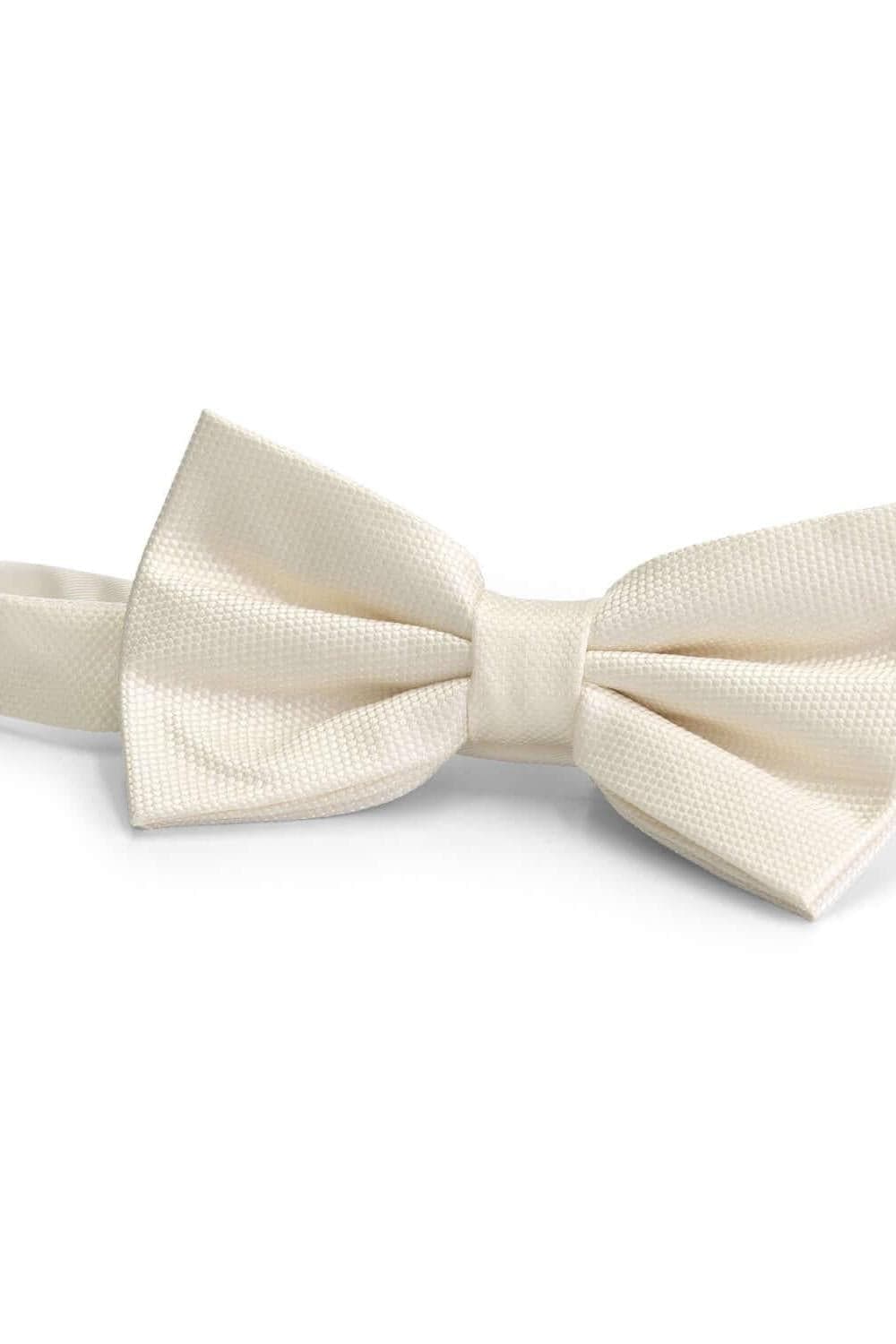
White bow tie
A white bow tie, preferably self-tied. Not confident with tying one? A pre-tied bow tie is acceptable, provided it is of good quality. A black bow tie is a faux pas at white tie.
Shop bow ties - 04
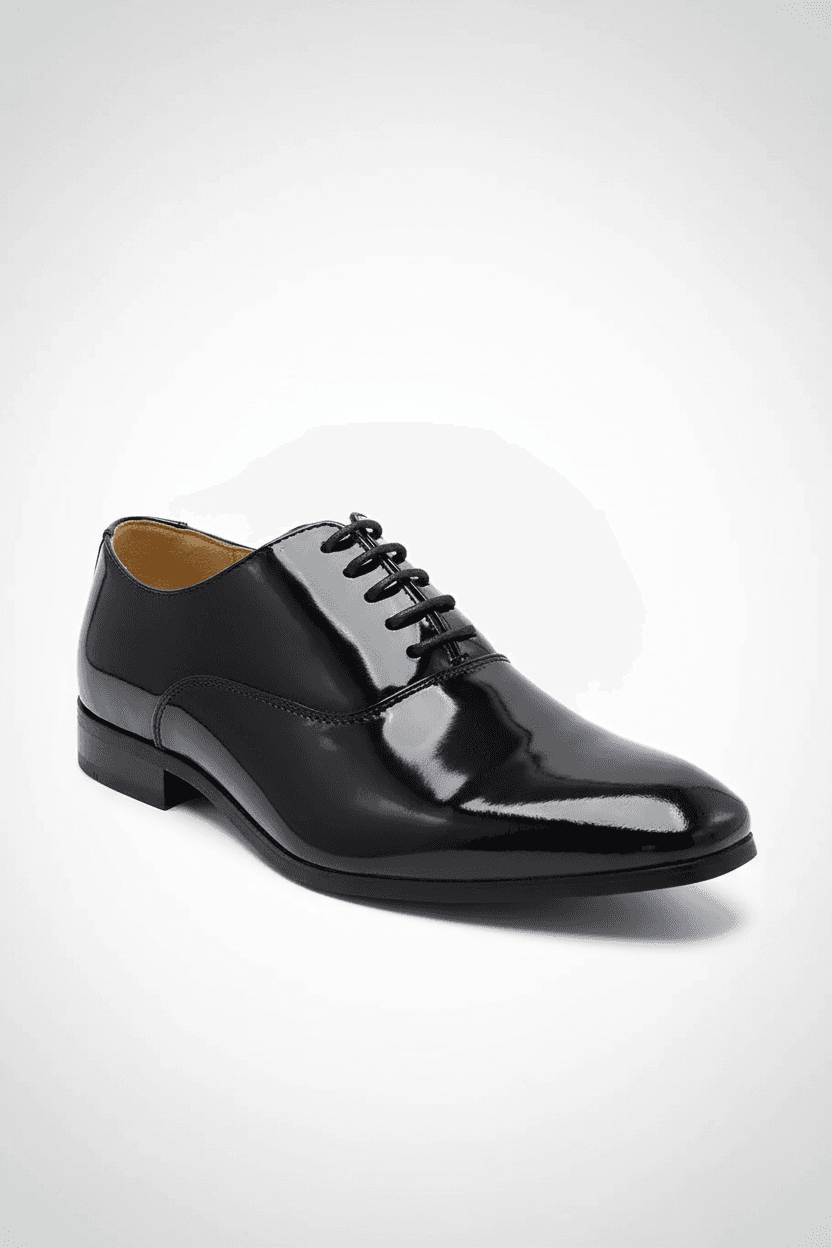
Patent shoes, socks & pocket square
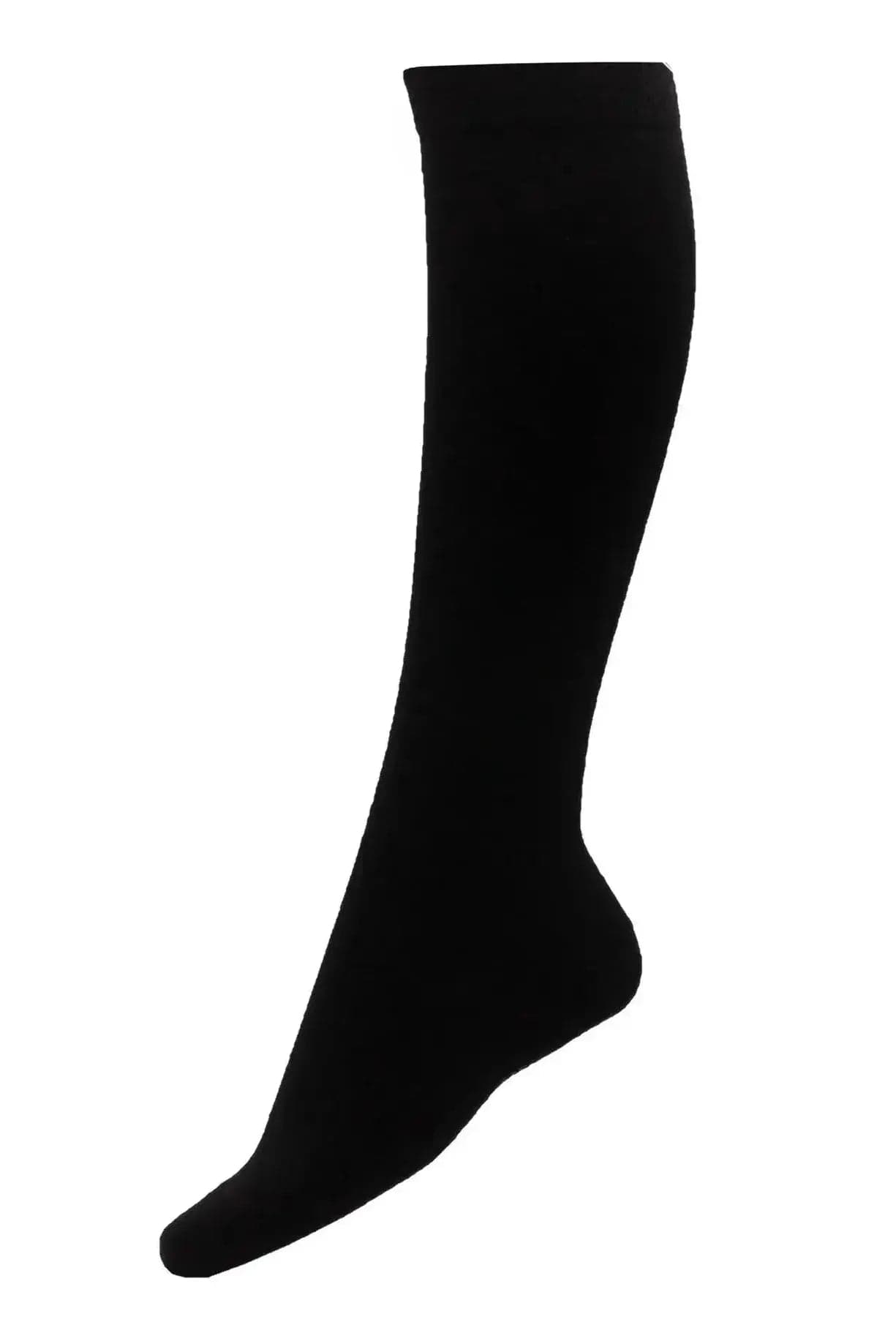
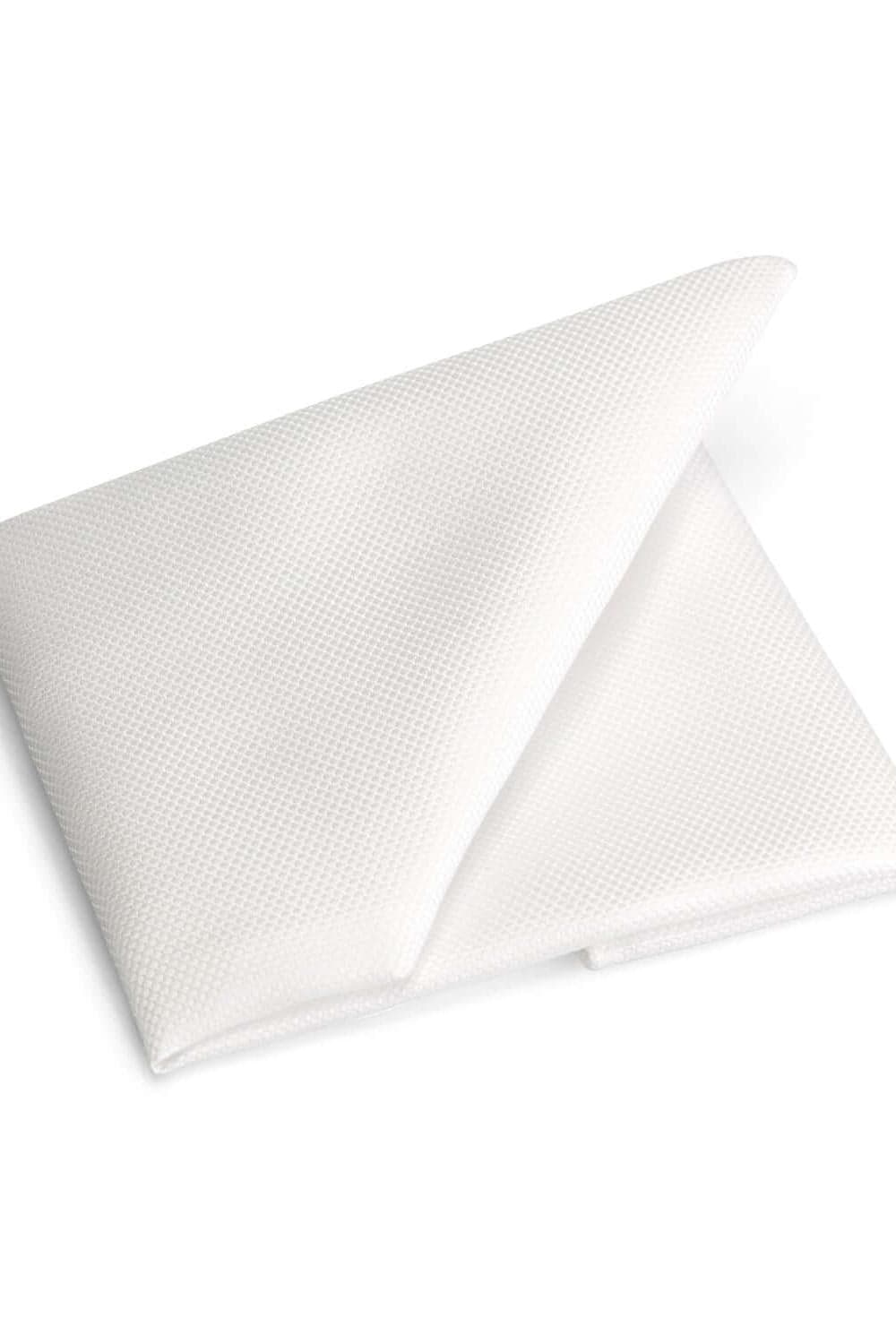
Black patent leather shoes, black over-the-calf socks and a white pocket square. White gloves for those who follow tradition to the letter.
Shop patent shoes

Do
- Wear the tailcoat open
- White piqué waistcoat, slightly longer than the jacket
- White self-tied bow tie
- Black patent shoes and over-the-calf socks
- Well-groomed hair: a visit to the barber is part of the occasion
Don't
- Black bow tie
- Watch
- Belt
- Regular suit or tuxedo
- Casual shoes
The complete etiquette
All the rules, background and exceptions at a glance.
The most formal dress code in menswear. Traditional, stylish and prescribed down to the finest detail.
White tie is one of the most classic and formal forms of etiquette. This dress code is therefore generally worn at very formal occasions, such as a gala, a meeting with a prominent figure, a wedding, an exclusive banquet or a special dinner. When the invitation states "white tie" or "cravate blanche", you are expected to wear a tailcoat in accordance with the corresponding etiquette.
At a doctoral ceremony at a university, too, the male candidate and his paranymphs are expected to appear in a tailcoat. Not sure what white tie etiquette entails? GENTS is happy to help. Here you will find all the key information on the rules for wearing a tailcoat correctly. With GENTS, you can easily avoid a faux pas.
Formal five-piece suit
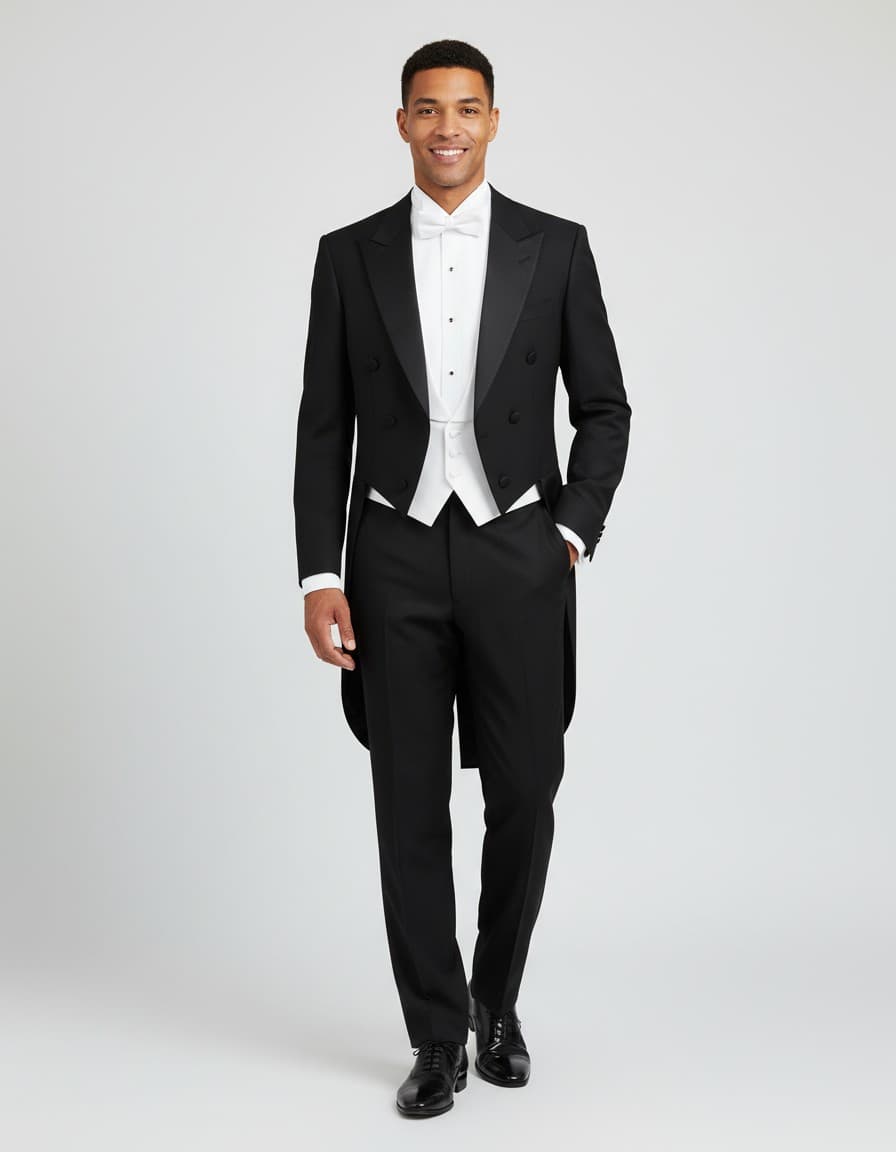
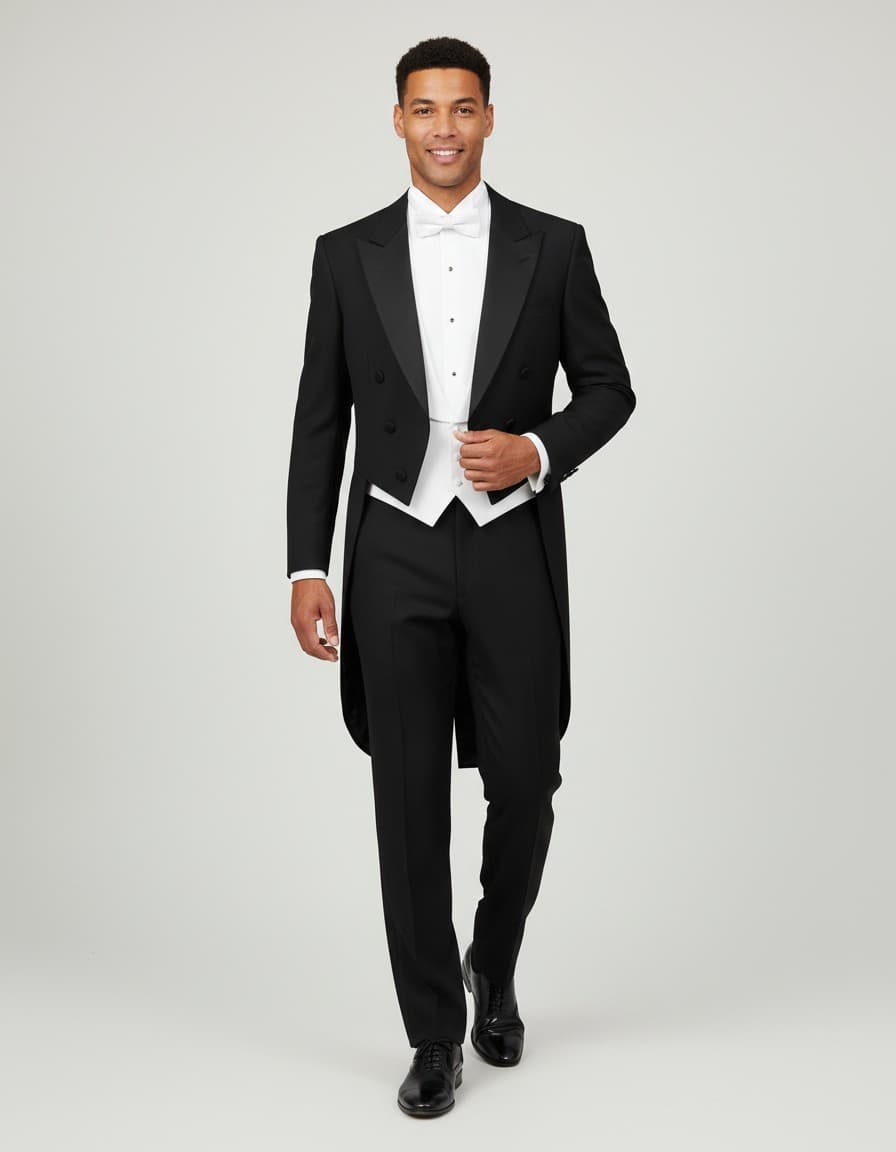
First, the tailcoat in general terms. According to white tie etiquette, a tailcoat is always a five-piece suit with a highly formal appearance. A complete tailcoat consists of a tailcoat jacket, a dress shirt with wing collar, a bow tie with matching white tie waistcoat and tailcoat trousers.
Each individual garment has its own requirements it must meet. In addition, there are accessories that must not be missing from this formal suit. After all, the tailcoat is known for its attention to detail.
- Tailcoat jacket
- Dress shirt with wing collar
- White bow tie
- White tie waistcoat
- Tailcoat trousers
- White tie is more formal than black tie
- A tailcoat is worn according to fixed rules
- Accessories are essential
- Grooming is part of the dress code too
Tailcoat jacket
Just as with the morning suit, the jacket is the defining piece of this formal outfit. A tailcoat in line with white tie etiquette is not complete without a long tailcoat jacket. This jacket is black and recognisable by its pointed satin lapels.
The jacket is cut short at the front and long at the back. Finally, six fabric-covered buttons are fitted to the front of the jacket. These are purely decorative. According to the white tie dress code, a tailcoat must always be worn open. Fastening the jacket is out of the question.
Dress shirt and waistcoat
Beneath the traditional tailcoat you wear a shirt and a white tie waistcoat. White tie etiquette prescribes that the shirt worn with a tailcoat must have the most formal collar. By this we of course mean a wing collar.
You recognise a dress shirt by this open collar with folded-down points. You then combine this classic tailcoat shirt with a low-cut waistcoat.
According to white tie etiquette, this should be a white waistcoat made of piqué. The waistcoat is also short: it must never extend below the front of the tailcoat jacket. In some cases a black white tie waistcoat is required. This black waistcoat is generally worn at specific universities for special ceremonies.
Tailcoat trousers
With a tailcoat, everything is about the details. You therefore cannot wear just any trousers. Clear white tie etiquette applies to the trousers as well. First, the trousers should be made of the same fabric as the tailcoat jacket.
The trousers are also black with a galon, a satin stripe along the side. Moreover, traditional tailcoat trousers have adjustment buttons. These let you easily adjust the trousers to a comfortable fit without anyone noticing. After all, according to white tie etiquette, you should not wear a belt.
Accessories according to white tie etiquette
White tie etiquette is the most demanding dress code in formal menswear. The tailcoat must be worn perfectly down to the last detail. In other words, you need to pay careful attention to your appearance.
GENTS recommends taking a critical look in the mirror first. Is your hair neat, or do you still need a quick visit to the barber? Good grooming quietly falls under white tie etiquette as well. You should also leave your watch at home. After all, a good evening knows no time. A watch is therefore strictly forbidden under a white tie dress code.
A tailcoat is not complete without the right accessories. A characteristic accessory for a tailcoat is, of course, the white bow tie. The preferred choice is a self-tie bow tie. If tying a bow tie is not your forte, you can buy a pre-tied bow tie. Just make sure it is of sound quality.
What you should certainly not do is wear a black tie. This is strictly forbidden under white tie etiquette. You also wear black knee-high socks, a white pocket square and black patent leather shoes.
- White bow tie
- White pocket square
- Black knee-high socks
- Black patent leather shoes
- Well-groomed hair and a polished appearance
- Black tie
- Watch
- Belt
- Sloppy finishing
- Incorrect or overly casual shoes
And what does she wear to white tie?
At white tie, she wears a long, one-piece gala or ball gown that falls to the floor. Here, a little more is welcome: jewellery such as pearls or crystals is part of the look, and long gloves make the outfit classic. Elegant, classic make-up completes it.
Prefer personal advice?
In doubt? Our stylists know every dress code.