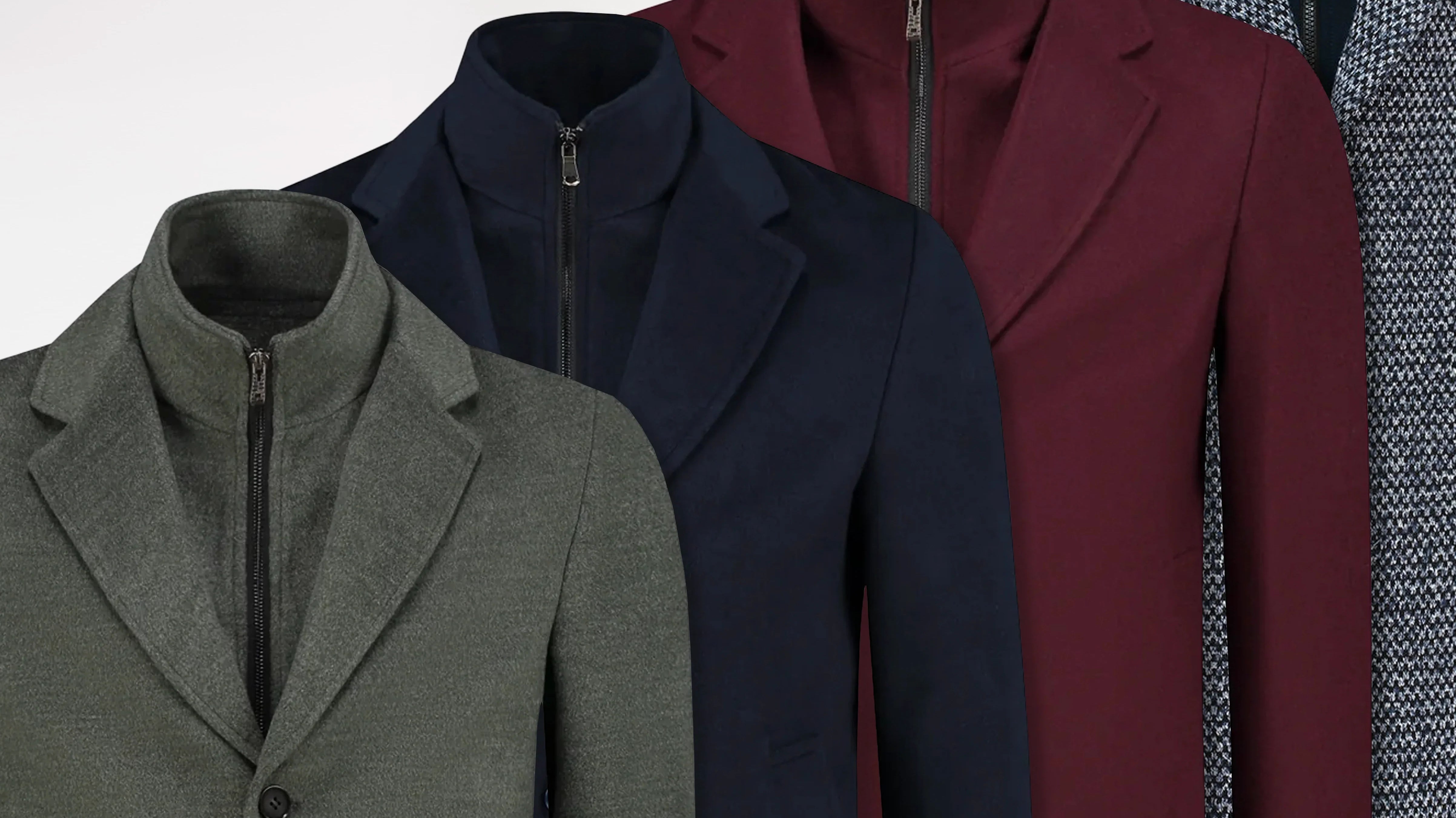



It is a natural process of the body that you can hardly stop: sweating. Yet we are willing to prevent, reduce, or hide unpleasant sweat stains as much as possible. How can you do that? GENTS gives you 5 tips!
Warm weather, lots of movement, or genetic predisposition; there are various reasons why you produce more sweat one day than another. Fortunately, you can easily help this situation by making the right choice regarding fabrics, colors, and prints.
1. Natural fabrics versus synthetic fabrics
Generally, the advice is given to wear breathable fabrics if you suffer from excessive sweating. What are breathable fabrics? These are natural fabrics that allow air to pass through better, enabling your body to maintain a cool temperature. Examples of natural fabrics are cotton, viscose, linen, and (lightweight) wool.
Of course, those natural fabrics also have their disadvantages. For example, cotton wrinkles quickly, linen deforms, and wool loses strength when wet and breaks when dry. Another disadvantage of natural fabrics that might make synthetic fabrics a better match for you: natural fibers like cotton retain moisture (and thus sweat) much longer.
What are synthetic fabrics? Fabrics such as acrylic, rayon, polyamide, polyester, and micro combed yarn consist of synthetic fibers derived from chemical substances and are therefore called 'synthetic fabrics'. Nowadays, there are also 'semi-synthetic fibers'. These are fabrics that have a natural fiber as a base. Then that fiber is processed to contain as many good properties as possible. An example of this is polyester viscose.
Conclusion
Always check the label to see what the garment is made of. Do you sweat a lot or are you looking for new sportswear? Then synthetic fabrics are a good option. If you mainly sweat because your body gets too warm, GENTS recommends wearing natural fabrics for their breathable effect.
2. Clothing made from animal fibers
There are a few fabrics made from animal fibers, namely wool and silk. If you suffer a lot from sweat, you might consider wearing clothing made from these materials. Contrary to what you might expect, these fabrics actually help you get through the day well.
For example, silk is naturally very breathable. That means the fabric is well ventilated. Wool can also be very nice. Take merino wool, for example. Merino wool is obtained from merino sheep. These are sheep that live in both cold and warm temperatures. As a result, merino wool consists of thin fibers. Those thin fibers create an airy feeling and are moisture-regulating.
3. Concealing clothing
Especially in summer, we tend to wear as few layers as possible to reduce sweating. That way, we dress ‘airier’. To some extent, that is true, but often we also choose to wear as little clothing as possible, exposing a lot of skin to the heat of the sun.
Concealing clothing ensures that your skin is exposed little to almost not at all to the hot rays of the sun. Thanks to concealing clothing, you stay cooler in the long term and will sweat less. This is exactly why in warm countries like Africa, Asia, and the Middle East, people mostly wear long robes and other concealing clothing.
4. Dark or rather light colors?
You simply can’t always prevent sweating. By making some smart choices, you can easily camouflage annoying sweat stains. A good example is the choice between dark or light colors for your clothing. When temperatures rise, we tend to choose light colors. But is that really the best option?
Light colors like white cause the sun’s rays to be reflected, while dark colors like black absorb the heat from the rays. What is often forgotten is that the heat doesn’t only come from the sun; your body also generates heat.
When you wear light colors, your body heat is reflected just like sunlight. This keeps your body warm and makes it difficult to cool down. If you wear dark colors, the heat is absorbed and your body cools down faster. Extra plus: sweat stains are less visible on dark colors.
Conclusion
If you are in sunlight for a short period, you can perfectly wear light colors such as a white t-shirt wear. However, if you have to sit in the sun for work or during an event for a long time, we recommend putting together an outfit with dark colors. You will notice that you can endure it better!
5. Solid colors versus prints
Do you tend to have sweat stains more than average regardless of the season? Then GENTS advises choosing clothing with prints instead of solid items. For example, opt for a shirt with a nice print. Prints are excellent for camouflaging sweat stains. On the other hand, with solid-colored garments, those annoying spots are unfortunately almost immediately visible and hard to hide.